

A Complete Guide to Choosing the Best Products for Healthy, Beautiful Hair
Healthy and beautiful hair does not happen by using one magical product overnight. Good hair usually comes from a combination of proper cleansing, regular conditioning, adequate moisture, gentle styling, and choosing products that suit your individual hair type. With hundreds of shampoos, conditioners, oils, serums, masks, and styling products available today, finding the right hair product can sometimes feel confusing.
Your hair has different needs depending on its texture, thickness, scalp condition, lifestyle, and the amount of chemical or heat treatment it receives. A product that works perfectly for someone with thick, curly hair may feel too heavy for someone with fine, straight hair. Similarly, a shampoo designed for a dry scalp may not be the best option for someone with an oily scalp.
Understanding what your hair actually needs is therefore more important than simply choosing the most expensive product on the shelf.
A good hair product should help maintain the natural condition of your hair rather than simply providing temporary softness or shine. Ingredients, product formulation, frequency of use, and your hair type all play an important role in determining whether a product is suitable for you.
In this guide, we will explore the most important types of hair products, discuss the top five products that can form a practical hair-care routine, explain what makes a hair product healthy, and look at what to consider when choosing a shampoo for daily washing.
Why Choosing the Right Hair Product Matters for Healthy Hair
Hair is exposed to many factors every day. Sunlight, pollution, dust, sweat, heat styling, hair coloring, chemical treatments, hard water, and frequent washing can all affect its appearance and condition.
Using unsuitable products can sometimes make these problems more noticeable. For example, a heavy product may make fine hair look greasy or flat, while an overly strong cleansing shampoo may leave dry hair feeling rough.
The right hair product should complement your natural hair characteristics.
Before buying a product, consider:
- Your hair texture
- Your scalp type
- Whether your hair is dry or oily
- Hair thickness and density
- Whether your hair is curly, wavy, or straight
- Whether you have chemically treated or colored hair
- How frequently you wash your hair
- How often you use heat styling tools
- Your main hair concerns
If your hair is dry, moisturizing products may be more useful. If your scalp becomes oily quickly, you may need a lightweight cleansing routine. If your hair is damaged from coloring or heat, a conditioner or treatment designed to improve manageability may be beneficial.
There is no single perfect hair product for everyone. The best choice is the one that fits your specific needs.
What Are the Top 5 Hair Products for Healthy Hair?
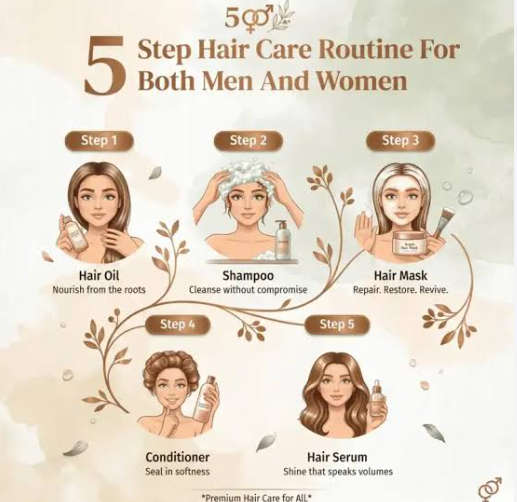
A complete hair-care routine does not necessarily require a bathroom cabinet full of products. In many cases, five basic categories can provide a strong foundation for maintaining clean, manageable, and healthy-looking hair.
1. Shampoo
Shampoo is one of the most important products in a basic hair-care routine because it cleans the scalp and removes excess oil, sweat, dirt, and product buildup.
However, shampoo should primarily be selected according to your scalp rather than simply the ends of your hair. The scalp produces natural oil, while the lengths and ends can become dry because they are farther from the scalp’s natural moisture.
People with oily scalps may prefer a lightweight cleansing shampoo, while those with dry or sensitive scalps may benefit from a gentler formulation.
A good shampoo should leave your scalp feeling clean without making your hair excessively dry, rough, or uncomfortable.
2. Conditioner
If shampoo cleanses the hair and scalp, conditioner helps improve the feel and manageability of the hair.
Conditioners can make hair feel smoother, softer, and easier to comb. It can also help reduce the rough feeling that sometimes occurs after cleansing.
Apply conditioner mainly to the mid-lengths and ends, particularly if your scalp becomes oily easily. People with very dry or curly hair may need more conditioning than those with naturally fine and oily hair.
Using conditioner regularly can be particularly helpful if you frequently wash, color, blow-dry, straighten, or curl your hair.
3. Hair Oil
Hair oil is another popular hair product, especially in Indian hair-care routines. Oils can help improve the feeling of dryness and provide temporary softness and shine.
Commonly used oils include coconut oil, argan oil, almond oil, jojoba oil, and other lightweight plant oils.
The important thing is not to assume that more oil automatically means healthier hair. Applying a large amount can make the scalp greasy and may be difficult to remove during washing.
A small amount applied to the lengths and ends may be enough for many people. If you have an oily scalp, you may prefer keeping oil away from the scalp or using it only occasionally.
4. Hair Serum
Hair serum is usually a lightweight leave-in product designed to improve the appearance and manageability of the hair.
A serum can help reduce the appearance of frizz, add shine, and make hair feel smoother. Some formulations are also designed to provide protection against styling-related stress.
Because serum is a leave-in product, only a small quantity is generally needed. Applying too much can make hair appear greasy or weighed down, particularly when the hair is fine.
For best results, distribute a small amount through the mid-lengths and ends rather than applying a large quantity directly to the roots.
5. Hair Mask
A hair mask is a more intensive conditioning product that can be used periodically depending on your hair’s needs.
Hair masks are especially popular among people with dry, coarse, curly, or chemically treated hair. They can provide a richer conditioning experience than a regular conditioner.
You do not necessarily need a hair mask every day. Using one once a week or according to the instructions on the product may be sufficient for many hair types.
If your hair is fine or easily weighed down, choose a lightweight mask and avoid applying excessive product near the roots.
Together, shampoo, conditioner, hair oil, serum, and a hair mask can create a simple and practical hair-care routine.
How to Choose the Best Hair Product for Your Hair Type
Your hair type should influence the products you select.
Fine Hair
Fine hair can easily become weighed down by heavy oils, creams, and rich conditioners. Lightweight shampoos, conditioners, and serums may be more suitable.
Apply conditioner mainly to the ends and use styling products sparingly.
Thick Hair
Thick hair may require more moisture and conditioning. Richer conditioners, nourishing masks, and suitable leave-in products can help improve manageability.
However, even thick hair can become greasy if too much product is applied near the scalp.
Curly Hair
Curly hair often benefits from moisture because its natural structure can make the hair feel dry. A moisturizing conditioner, leave in product, or curl-friendly styling product can help improve softness and definition.
Avoid excessive brushing when the hair is dry if it causes frizz or disrupts the natural curl pattern.
Dry Hair
Dry hair generally benefits from gentle cleansing and regular conditioning. Look for products designed to improve moisture and softness rather than extremely strong cleansing formulations.
Reducing excessive heat styling can also help prevent additional dryness.
Oily Hair
If your scalp becomes oily quickly, focus on proper scalp cleansing and avoid applying heavy products directly to the roots.
A lightweight conditioner can still be useful, but it is usually better applied mainly to the lengths and ends.
What Makes a Hair Product Healthy and Effective?
There is no single hair product that can be called the healthiest for every person. The healthiest choice depends on your hair and scalp needs, how the product is formulated, and how frequently you use it.
Instead of looking for a product simply because it says “natural,” “organic,” or “chemical-free,” pay attention to the actual ingredients and how your hair responds to the formulation.
For example, natural ingredients can be useful, but natural does not automatically mean suitable for everyone. Similarly, synthetic ingredients are not automatically harmful. Modern hair-care products often use carefully formulated ingredients to provide cleansing, conditioning, texture, fragrance, preservation, and protection.For more information about choosing suitable hair care products, read the American Academy of Dermatology’s hair care tips.
A healthy hair product should ideally:
- Suit your hair and scalp type
- Clean or condition without causing unnecessary irritation
- Avoid leaving excessive buildup
- Help maintain hair manageability
- Be appropriate for your frequency of use
- Match your specific hair concern
- Be used according to its instructions
For everyday hair care, a gentle shampoo and a suitable conditioner are often more important than constantly adding new treatments.
If your scalp is sensitive, itchy, unusually flaky, or irritated, changing products repeatedly may not solve the underlying issue. Persistent scalp problems are better discussed with a qualified dermatologist.
Why Ingredient Labels Matter
Learning to read the ingredient list can help you make better purchasing decisions.
Instead of choosing a product solely because of attractive packaging or marketing claims, look at what the product is actually designed to do.
For example, moisturizing formulations may contain conditioning ingredients that help hair feel smoother and softer. Cleansing products contain cleansing agents that remove oil and dirt. Styling products may contain ingredients designed to provide hold, smoothness, or shine.
It is also important to remember that an ingredient list does not tell you everything about how a product will perform on your hair. The concentration, formulation, combination of ingredients, and your individual hair characteristics all matter.
If you are trying a new product, introduce it gradually rather than changing your entire routine at once. This makes it easier to understand which product works well for you.
What Is the Best Shampoo for Daily Washing?
The best shampoo for daily washing is generally a gentle shampoo that effectively cleans the scalp without leaving the hair excessively dry, rough, or irritated.
However, daily shampooing is not necessary for everyone.
Some people have naturally oily scalps and may prefer washing their hair every day or frequently. Others have dry, curly, or coarse hair and may find that washing less frequently works better.
Your washing schedule should therefore depend on your scalp and hair needs.
If you wash your hair daily, consider a shampoo that is designed for frequent use and provides effective cleansing without an overly harsh feeling.
Look for a Gentle Formula
A daily-use shampoo should provide enough cleansing to remove sweat, oil, and buildup while maintaining a comfortable scalp and hair condition.
If your hair feels extremely dry, stiff, or rough after every wash, your shampoo may be too cleansing for your hair, or you may need a better conditioning routine.
Focus on the Scalp
When shampooing, concentrate the product on the scalp and roots rather than aggressively scrubbing the entire length of your hair.
Massage gently using your fingertips. Avoid using your fingernails because aggressive scratching can irritate the scalp.
As the shampoo is rinsed away, the foam and water can naturally pass through the lengths.
Do Not Ignore Conditioner
People sometimes avoid conditioners because they believe it will make their hair oily. However, using a suitable amount on the lengths and ends can make hair easier to manage.
If your hair is fine, choose a lightweight conditioner. If your hair is dry, curly, thick, or damaged, you may prefer a richer formulation.
Is Daily Hair Washing Bad?
Daily washing is not automatically bad for your hair.
The answer depends on your scalp, hair type, lifestyle, climate, and the products you use.
For example, someone who sweats heavily or has a naturally oily scalp may need frequent cleansing. Someone with dry or curly hair may prefer a less frequent washing schedule.
The key is to pay attention to how your scalp and hair respond.
Signs that your routine may need adjustment include excessive dryness, persistent scalp discomfort, unusually oily roots, or hair that feels difficult to manage.
If your scalp feels clean and comfortable and your hair remains manageable, your washing frequency may be working well for you.
How to Build a Simple Hair Product Care Routine
A good hair-care routine does not need to be complicated.
Step 1: Cleanse
Use a shampoo suitable for your scalp. Massage gently and rinse thoroughly.
Step 2: Condition
Apply conditioner to the mid-lengths and ends. Leave it on for the recommended time before rinsing.
Step 3: Dry Gently
Avoid aggressively rubbing wet hair with a towel. Instead, gently squeeze out excess water and allow the hair to dry naturally when possible.
Step 4: Add a Leave-In Product
If your hair needs additional smoothness or frizz control, use a small amount of serum or another suitable leave-in product.
Step 5: Treat Periodically
If your hair is dry or damaged, consider adding a hair mask periodically rather than using multiple heavy products every day.
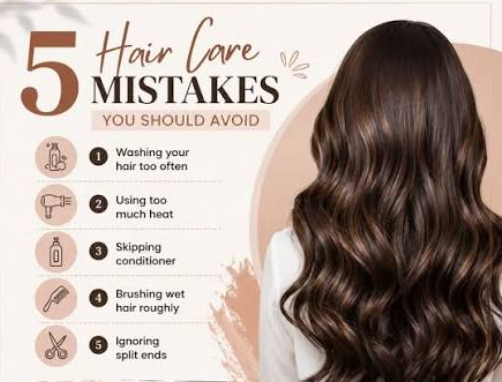
Common Hair Product Mistakes to Avoid
Even a good hair product can cause problems when it is used incorrectly.
One common mistake is applying too much product. More product does not necessarily mean better results. Excessive amounts can cause buildup, greasiness, or weighed-down hair.
Another mistake is applying every product directly to the scalp. Many conditioners, serums, oils, and styling creams are better suited to the lengths and ends.
Using several new products at the same time can also make it difficult to identify what is working. Introduce products one at a time when possible.
Finally, do not choose products based entirely on trends. Viral hair-care products may work well for some people but may not be appropriate for your hair type.
conclusion
Choosing the right hair product is less about finding the most expensive or popular option and more about understanding what your hair and scalp actually need.
For a simple routine, five useful product categories are shampoo, conditioner, hair oil, hair serum, and hair mask. Each serves a different purpose, and not everyone needs to use all five products with the same frequency.
When choosing the healthiest hair product, focus on suitability, formulation, ingredients, and how your hair responds rather than relying only on marketing claims.
For people who prefer daily washing, a gentle shampoo designed for frequent use can be a practical choice. However, the ideal washing frequency varies from person to person. Oily scalps may need more frequent cleansing, while dry or curly hair may benefit from less frequent washing.
Most importantly, healthy-looking hair comes from consistent care rather than a single miracle product. A balanced routine, gentle handling, appropriate cleansing, regular conditioning, limited excessive heat, and products suited to your individual needs can all contribute to stronger, smoother, and more manageable hair.
Before buying your next hair product, take a moment to understand your scalp and hair type. Once you know what your hair actually needs, choosing the right products becomes much easier and your routine can become both simpler and more effective.